In a competitive M&A deal, the difference between closing on time and watching a transaction collapse often comes down to one underestimated factor: how efficiently you manage due diligence questions. When dozens of buyers, legal teams, and advisors are simultaneously requesting clarification on financials, contracts, and compliance records, the Q&A process can become a bottleneck that delays timelines by weeks—or kills deals entirely. A well-structured virtual data room with robust Q&A management capabilities transforms this chaos into a streamlined, auditable workflow that keeps every stakeholder aligned and every answer documented.
This guide breaks down the best practices for handling due diligence Q&A at scale using a VDR, offering actionable strategies for sellers, buyers, and their advisors to accelerate deal timelines while maintaining the security and precision that high-stakes transactions demand.
Table of Contents
ToggleWhy Q&A Management Is the Backbone of M&A Due Diligence
Due diligence is far more than document review. It’s an iterative dialogue between buyers and sellers, where questions about uploaded materials drive deeper investigation, uncover risks, and ultimately shape deal terms. According to McKinsey & Company’s research on M&A best practices, deals that maintain structured communication throughout due diligence are significantly more likely to achieve projected synergies post-close.
In a typical mid-market transaction, buyers may submit hundreds—sometimes thousands—of questions spanning financial performance, legal liabilities, intellectual property, employee contracts, environmental compliance, and more. Without a centralized system to manage this volume, critical questions fall through the cracks, responses become inconsistent, and the entire deal timeline suffers.
A virtual data room with integrated Q&A functionality solves this by providing a single, secure environment where questions are submitted, routed, answered, and archived—all with full audit trails. This isn’t just a convenience feature. It’s a deal management imperative.
How Virtual Data Room Q&A Works in Practice
Understanding the mechanics of VDR-based Q&A is essential before diving into optimization strategies. Here’s how the process typically unfolds in an M&A context:
The Core Q&A Workflow
- Question Submission: Buyers or their advisors review documents in the virtual data room and submit questions directly linked to specific files, folders, or deal topics.
- Routing and Assignment: The sell-side administrator routes each question to the appropriate subject matter expert—whether that’s the CFO, legal counsel, HR, or operations leadership.
- Internal Review: Before a response reaches the buyer, it passes through an internal approval workflow. Legal teams review answers for accuracy, confidentiality, and strategic implications.
- Response Delivery: Approved answers are published to the relevant buyer or buyer group within the VDR, maintaining a complete record of the exchange.
- Follow-Up and Escalation: Buyers can ask follow-up questions, and unresolved items are flagged and escalated to ensure nothing stalls the process.
This structured workflow replaces the disorganized email chains, spreadsheets, and phone calls that historically plagued due diligence processes. As the American Bar Association’s Business Law Section has noted, maintaining organized, defensible records of due diligence communications is critical for managing post-closing liability and disputes.
Best Practices for Managing Due Diligence Q&A at Scale
Whether you’re running a bilateral negotiation or a competitive auction with multiple bidders, these best practices will help you manage Q&A efficiently and professionally through your virtual data room.
1. Establish a Q&A Protocol Before Opening the Data Room
Don’t wait until questions start flooding in to decide how they’ll be managed. Before granting data room access, establish and distribute a clear Q&A protocol that defines:
- How and where questions should be submitted (always within the VDR, never via email)
- Expected response timeframes (e.g., 48–72 business hours for standard questions)
- Categorization requirements (financial, legal, operational, tax, HR, etc.)
- Escalation procedures for urgent or complex inquiries
- Rules around follow-up questions and supplementary document requests
Distributing this protocol upfront sets expectations and prevents the ad hoc, fragmented communication that derails timelines.
2. Categorize and Tag Every Question Systematically
At scale, unstructured questions become unmanageable. Implement a consistent tagging and categorization system from day one. Most enterprise-grade VDR platforms allow administrators to assign categories, priority levels, and status indicators to each question.
Common categories include:
- Financial statements and projections
- Legal and regulatory compliance
- Contracts and material agreements
- Intellectual property
- Employee and benefits matters
- Tax and insurance
- Environmental and operational risks
Consistent categorization enables reporting, ensures balanced workload distribution among subject matter experts, and makes it easy to identify which areas are generating the most buyer scrutiny—a valuable strategic signal for the sell side.
3. Implement Internal Approval Workflows
Never allow responses to go directly from a subject matter expert to a buyer without review. Every answer in a due diligence Q&A process has potential legal and financial implications. A single imprecise response can shift deal terms, trigger warranty claims, or create post-closing liability.
Best-in-class Q&A management includes at least two layers of review:
- Subject matter expert drafts the response based on their domain knowledge
- Deal counsel or the deal team lead reviews and approves the response before publication
This workflow is easily configured within a robust virtual data room platform and ensures that every published answer is accurate, strategically sound, and legally defensible.
4. Use Granular Permissions to Control Visibility
In competitive auction processes, different bidders should never see each other’s questions or the responses provided to competitors. A VDR with strong permission controls allows administrators to silo Q&A threads by bidder group, ensuring complete confidentiality.
This is equally important on the sell side. Not every internal team member needs to see every question. A well-structured virtual data room allows you to limit visibility based on role—so the HR team only sees HR-related questions, and the finance team only sees financial inquiries. This reduces noise, improves response times, and minimizes the risk of unauthorized information disclosure.
The U.S. Securities and Exchange Commission’s guidance on disclosure obligations underscores the importance of controlling how and when material information is shared during transactions—making granular access controls a compliance necessity, not just a convenience.
5. Maintain a Comprehensive Audit Trail
Every question asked, every answer given, every edit made, and every approval granted should be logged automatically by your virtual data room. This audit trail serves multiple critical purposes:
- Legal protection: Demonstrates what information was disclosed, to whom, and when
- Regulatory compliance: Satisfies record-keeping requirements for regulated industries
- Post-closing reference: Provides a definitive record if disputes arise about what was represented during due diligence
- Process improvement: Allows deal teams to analyze Q&A patterns and improve preparation for future transactions
A complete, tamper-proof audit trail is one of the most important features that distinguishes a purpose-built VDR from generic secure file sharing tools like standard cloud storage platforms.
6. Proactively Anticipate and Address Common Questions
Experienced sell-side advisors don’t wait for questions to arrive—they anticipate them. Before the data room opens, review your document index and identify areas likely to generate inquiries. Then prepare standardized responses or supplementary disclosure documents that can be published proactively or deployed immediately when the expected questions arrive.
Common high-volume question areas include:
- Revenue recognition policies and adjustments
- Customer concentration and churn metrics
- Pending or threatened litigation
- Key employee retention and non-compete agreements
- Change-of-control provisions in material contracts
Proactive preparation dramatically reduces response times and signals to buyers that the seller is organized and transparent—both of which build confidence and accelerate deal velocity.
7. Monitor Q&A Analytics to Guide Deal Strategy
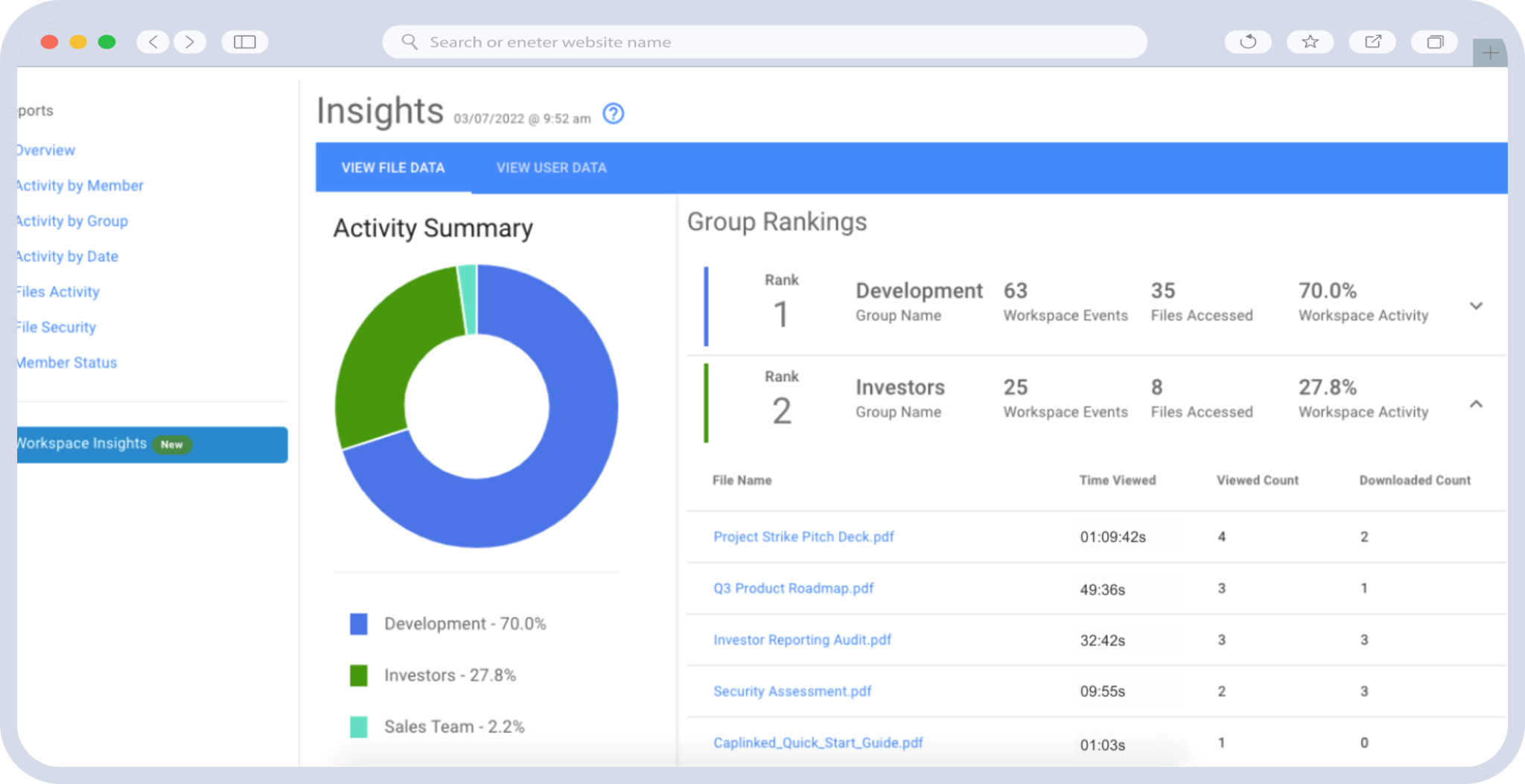
The questions buyers ask reveal what matters most to them. A sophisticated virtual data room provides analytics dashboards showing which topics are generating the most questions, which bidders are most engaged, and where response bottlenecks are forming.
For sell-side advisors, this intelligence is strategic gold. If multiple bidders are asking about the same contractual provision, it may signal a perceived risk that needs proactive management. If one bidder’s question volume drops off suddenly, it may indicate waning interest—or that they’ve found a deal-breaker. Research published by Harvard Business Review on M&A execution consistently highlights that information asymmetry management is a key determinant of deal outcomes, and Q&A analytics are a powerful tool for managing that asymmetry.
Common Pitfalls to Avoid in VDR Q&A Management
Even experienced deal teams make mistakes in Q&A management. Here are the most common pitfalls and how to avoid them:
- Using email for Q&A overflow: Once questions migrate outside the virtual data room, you lose control, auditability, and security. Enforce a strict policy that all questions and answers flow through the VDR.
- Inconsistent responses across bidders: In a multi-bidder process, providing materially different answers to the same question creates legal risk. Use a master response library to ensure consistency.
- Delayed responses without communication: If a question requires extended research, acknowledge receipt and provide a timeline. Silence erodes buyer confidence.
- Over-disclosing in responses: Answer precisely what was asked. Volunteering additional information beyond the scope of the question can inadvertently create issues. Legal review of all responses mitigates this risk.
- Failing to restrict access after exclusion: When a bidder is eliminated from a process, immediately revoke their data room access, including access to all prior Q&A exchanges.
Why a Purpose-Built Virtual Data Room Outperforms Generic Tools
Some organizations attempt to manage due diligence Q&A using general-purpose collaboration tools—shared drives, project management software, or basic secure file sharing platforms. While these tools have their place, they lack the specialized functionality that M&A due diligence demands.
A purpose-built virtual data room like CapLinked offers:
- Integrated Q&A modules tied directly to document indices and folder structures
- Role-based permissions that control who can ask, answer, review, and view questions
- Automated workflows for routing, approval, and escalation
- Real-time analytics on Q&A activity, response times, and engagement patterns
- Comprehensive audit trails that satisfy regulatory and legal requirements
- Enterprise-grade security including encryption, watermarking, and access controls
As the International Association of Privacy Professionals (IAPP) has emphasized, data security in transactional contexts requires purpose-built solutions that meet both regulatory standards and practical deal management needs—a bar that generic tools consistently fail to clear.
Take Control of Your Due Diligence Q&A Process
Effective Q&A management isn’t a nice-to-have—it’s a deal-critical capability that directly impacts transaction speed, buyer confidence, and legal protection. By implementing the best practices outlined above within a purpose-built virtual data room, you can handle due diligence questions at scale without sacrificing accuracy, security, or strategic control.
CapLinked’s virtual data room platform is built for exactly this challenge. With integrated Q&A management, granular access controls, real-time analytics, and enterprise-grade security, CapLinked helps deal teams manage even the most complex multi-party due diligence processes with confidence. Start your free trial today and see how CapLinked can streamline your next transaction from first question to final close.
Frequently Asked Questions
Virtual data room Q&A management is the process of organizing, routing, and tracking questions and answers between buyers and sellers during M&A due diligence within a secure VDR platform. It replaces disorganized email exchanges with a structured, auditable workflow that ensures every question is categorized, assigned to the right expert, reviewed by legal counsel, and delivered to the appropriate party with a complete record of the exchange.
A virtual data room improves due diligence by centralizing document storage and Q&A communication in a single secure environment with granular permission controls, automated workflows, and comprehensive audit trails. This reduces response times, prevents questions from being lost or overlooked, ensures consistent answers across multiple bidders, and provides real-time analytics that help deal teams manage the process strategically.
Key features to look for include integrated Q&A modules linked to document indices, role-based access controls that silo questions by bidder group, internal approval workflows for response review, automated routing and escalation, real-time analytics dashboards, full audit trail logging, and enterprise-grade security including encryption and watermarking. These features ensure your due diligence Q&A is efficient, secure, and legally defensible.
Generic secure file sharing tools lack the specialized Q&A workflows, granular permission controls, audit trail capabilities, and deal-specific analytics that M&A due diligence requires. They cannot silo buyer communications, enforce internal approval processes for responses, or provide the tamper-proof documentation needed to manage legal risk and regulatory compliance in high-stakes transactions.
The volume varies significantly by deal size and complexity, but mid-market M&A transactions commonly generate hundreds to thousands of due diligence questions across financial, legal, operational, tax, HR, and compliance categories. A virtual data room with robust Q&A management capabilities is essential for handling this volume efficiently, ensuring no questions are missed, and maintaining consistent response quality across all inquiries.
Sellers should establish a clear Q&A protocol before opening the data room, define categorization and routing rules, assign subject matter experts to each question category, and proactively prepare answers for commonly asked questions about revenue recognition, customer concentration, pending litigation, key employee agreements, and change-of-control provisions. This preparation significantly reduces response times and demonstrates organizational readiness to buyers.